
Reliable Energy Efficient Insulation Installation Danbury CT
Reliable, local, quality work, Family Owned
We Offer Free Energy Audits
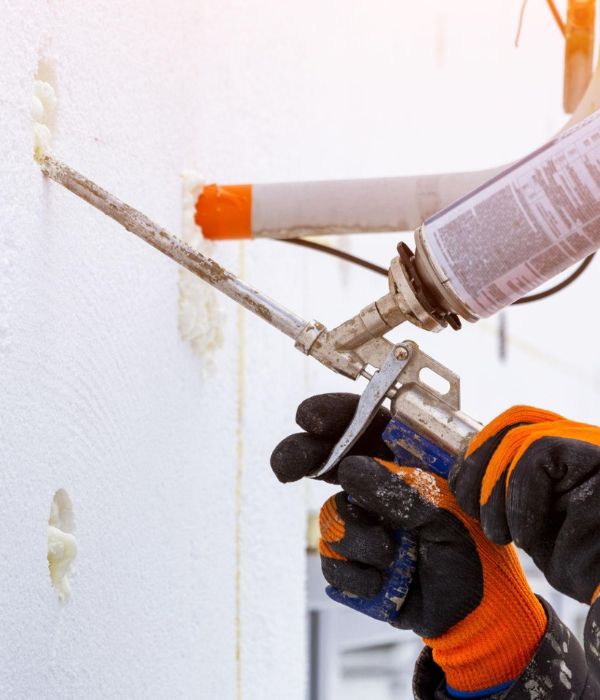



A Whole-Home Approach To Energy Efficiency
Finding and Fixing Where Your Home Is Losing Energy
If your home feels drafty, uneven, or more expensive to heat and cool than it should be, the issue usually isn’t just insulation, it’s how the entire home is performing. With energy efficient insulation installation Danbury CT, we go beyond adding material. We identify where air is leaking, where insulation is underperforming, and how everything is working together.
Using tools like blower door testing and thermal imaging, we’re able to pinpoint exactly where energy loss is happening instead of guessing. From there, we provide advanced air sealing, sealing penetrations, foundations, siding transitions, and other problem areas, along with targeted insulation upgrades that actually make a difference.
We also offer free in-home energy audits, retrofit insulation for existing homes without tearing everything apart, and new construction blower door testing. The goal is simple: improve comfort, reduce energy loss, and fix the areas that matter most without overcomplicating the process. Reach out to us today for your free consultation.
203-587-7240
Our Energy Efficient Insulation Products
Rockwool & Mineral Wool
Spray Foam Insulation
Spray Foam Roofing
Fiberglass Insulation
Cellulose Insulation
Commercial Insulation
Air Sealing Insulation
Attic Insulation
Energy Efficient Home Insulation
These heat barriers keep your home cool in the summer and warm in the winter. They work by blocking the natural flow of heat into cooler spaces. How effective your energy efficient insulation Danbury CT is depends on its R-value, or its ability to resist the flow of heat.
The R-value varies depending on the material used, your climate, and the area of the home. Different levels are recommended for attics, basements, crawl spaces, and walls. As experienced energy auditors, we can pinpoint exactly where your home is losing energy and what will make the biggest impact.
Common areas where homes lose energy include attics, basements, crawl spaces, exterior wall cavities, and around windows, doors, and other penetrations.
To take it a step further, we perform blower door testing and thermal imaging. These tools allow us to depressurize the home, identify hidden air leaks, and visually locate problem areas so we can recommend targeted solutions instead of guessing.
What Our Customers Say
Why Homeowners Choose Us For Energy Efficiency Improvements
A lot of companies can install insulation. What separates the results is how those decisions are made.
With over 17 years of experience, we’ve worked on everything from newer homes to older properties with more complex performance issues. That experience allows us to make practical recommendations that actually hold up, not just in theory, but in real homes over time.
We also focus heavily on value engineering. That means improving performance without adding unnecessary cost or recommending upgrades that won’t make a meaningful difference. The goal is always to get the best result with the right level of work, not the most work.
Because we install multiple types of insulation and handle air sealing as part of the process, you’re not being pushed toward a single solution. You get options based on what makes sense for your home.
You also work directly with the owner throughout the project, so communication stays clear and decisions are made based on what’s actually best for your home, not what’s easiest to sell.
Types of Home Insulation
in Danbury, CT
Spray foam insulation – A cushy mixture of chemicals and tiny cells, energy efficient spray foam insulation completely blankets surfaces and expands on contact. It seals cracks and gaps while adding insulation value. Open-cell is ideal for indoor applications and sound control, while closed-cell offers higher insulation value and moisture resistance.
Fiberglass insulation – These fiberglass systems are one of the most common forms of energy saving insulation. They are cost-effective and work well in standard framing, but proper installation is key to ensuring performance and minimizing air leakage.
Blown-in cellulose insulation – One of the most eco-friendly options available, often made with up to 85% recycled materials. It is designed to fully fill wall cavities and attic spaces.
Natural insulation options – Including mineral wool and similar materials, is a strong choice when moisture control, sound reduction, or fire resistance matter. They’re also breathable and hold up well over time in the right areas.
Depending on your home, this may include spray foam, cellulose, or targeted air sealing solutions working together.
How We Find and Fix Energy Loss
Insulation alone isn’t always the full solution. Efficiency insulation comes from combining insulation with proper air sealing.
We offer in-home energy audits, including blower door testing and thermal imaging, to identify exactly where your home is losing air. Thermal imaging is available at no cost, giving you a clear picture of what’s happening behind your walls.
From there, we perform advanced air sealing, including sealing penetrations, gaps, and joints throughout the home. This can include caulking, sealing foundation areas, roof and siding transitions, and closing off entry points where outside air or pests may be getting in.
We also retrofit insulation into exterior walls from the inside or outside in many cases, allowing you to improve performance without major construction. Instead of guessing, we use diagnostic tools to focus on the areas that will actually make a difference.
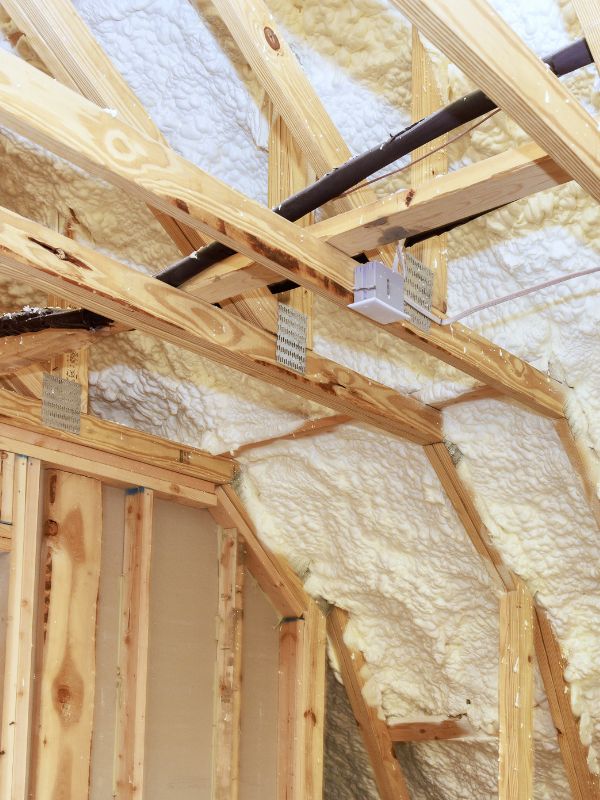
Keeping Your Home Sealed
Drafty windows and doors are easy to notice, but hidden air leaks often cause the biggest problems. If your heating and cooling bills are higher than they should be, air leakage is likely a major factor.
Attics, basements, and crawlspaces are some of the biggest sources of energy loss. Sealing these areas with spray foam, caulking, and weather stripping helps prevent heat from escaping in the winter and entering in the summer.
The goal isn’t just to make your home tighter, it’s to make it perform better. With the right balance of insulation and ventilation, you get improved comfort, better air quality, and lower energy costs. Many homes see measurable reductions in heating and cooling costs after proper insulation and air sealing improvements.
We have special tools and techniques to tell you exactly where you have air leaks. And don’t worry about making your home too “tight.” While poor indoor air quality is a big buzzword these days, our professional services can ensure proper ventilation. You can be confident you have the right mixture of fresh air circulation and thermal protection.
What You Can Expect
Every home loses energy in different ways, which is why we don’t start with a product, we start with testing. Using tools like blower door testing and thermal imaging, we’re able to see exactly where air is escaping and where insulation is underperforming.
From there, we walk you through what we’re seeing in plain terms and explain which improvements will actually make a difference. That might involve insulation, air sealing, or a combination of both depending on how your home is built.
The goal is simple: fix the areas that matter most so you’re not wasting time or money on things that won’t move the needle.
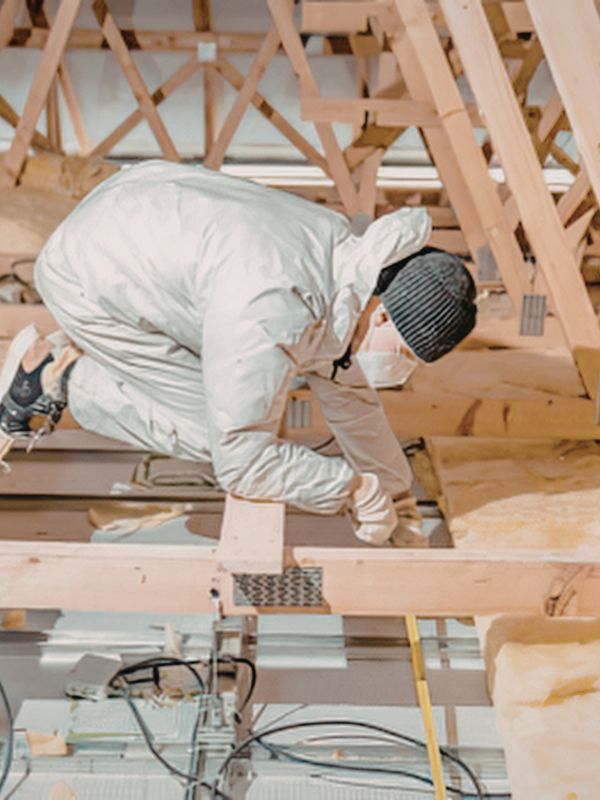
We’re an approved contractor for state home energy and rebate programs — meaning you could qualify for significant savings on your project.
- CT Certified
- NY Certified
- State Rebate Programs
- Federal Tax Credits
Frequently Asked Questions
Have you got questions about our services? We’ve got answers. Learn more about our services here or reach out for any additional questions you may have!
An energy audit is a detailed evaluation of how your home is performing. We use tools like blower door testing and thermal imaging to identify air leaks, insulation gaps, and problem areas so we can recommend targeted improvements instead of guessing.
A blower door test depressurizes your home to reveal where air is leaking in and out. It’s one of the most effective ways to identify hidden energy loss and is often required for new construction testing as well.
Thermal imaging uses infrared technology to show temperature differences behind walls, ceilings, and floors. This allows us to visually locate missing insulation, air leaks, and moisture-related issues that aren’t visible to the naked eye.
Not always. In many homes, air leakage is a major issue. Insulation works best when combined with proper air sealing to create a system that actually improves performance.
Common signs include high energy bills, uneven temperatures, drafty rooms, and difficulty maintaining consistent comfort. These issues are often caused by a combination of air leaks and underperforming insulation.
Yes. In many cases, we can retrofit insulation into walls and attics without major demolition. This includes solutions like blown-in insulation that allow us to improve coverage without opening everything up.
The biggest problem areas are usually attics, basements, crawl spaces, exterior walls, and areas around windows, doors, and penetrations. These are the areas we focus on first when improving performance.
When done properly, no. Air sealing is always balanced with ventilation to maintain healthy indoor air quality. The goal is controlled airflow, not eliminating airflow entirely.
Yes. We offer low-VOC spray foam options using HFO blowing agents, along with natural insulation materials like cellulose and mineral wool. These options can improve efficiency while supporting better indoor air quality.
Yes. Moisture problems are often tied to air leaks and poor insulation performance. We identify the source of moisture and recommend solutions that may include insulation, air sealing, and proper ventilation to prevent long-term issues.
Yes. In some cases, we can use encapsulation systems and materials designed to block or contain odors, especially when they’re coming from walls, basements, or structural areas.
Yes. Certain insulation types, like cellulose and mineral wool, can help reduce sound transfer between rooms, floors, and shared walls. This is especially useful in multi-family homes or areas where noise control is important.
Yes. Proper insulation and air sealing can help maintain more stable temperatures in areas like basements and crawl spaces, which reduces the risk of pipes freezing during colder months.
Yes. Some insulation materials, including cellulose with borate treatment and mineral wool, offer strong fire resistance. We also offer intumescent coatings in certain applications for added protection.
Yes. We provide blower door testing for new construction to help meet code requirements and ensure the home is performing as intended.
Yes. When done correctly, improving insulation and sealing air leaks can significantly reduce heating and cooling costs. The exact savings depend on how much energy your home is currently losing.